Stage bit
A Day in the Life of a Squirrel
Squirrels are such a familiar sight in many parts of our area that people often walk past them without a second thought. While exploring places like Haverford’s Arboretum, you have probably noticed one of these furry animals searching for food or racing up a tree trunk. Although they may seem ordinary, squirrels have remarkable behaviors and make valuable contributions to the environment. Let’s explore the daily life of a squirrel from the squirrel’s own perspective and discover what makes these animals so interesting.
Lauren Scott
Mic note
House tip
The full bit continues below under the club spotlight.
Room
Open Mic Desk
Squirrels are such a familiar sight in many parts of our area that people often walk past them without a second thought. While exploring places like Haverford’s Arboretum, you have probably noticed one of these furry animals searching for food or racing up a tree trunk. Although they may seem ordinary, squirrels have remarkable behaviors and make valuable contributions to the environment. Let’s explore the daily life of a squirrel from the squirrel’s own perspective and discover what makes these animals so interesting.
Meet the Eastern Gray Squirrel
You have likely seen me or one of my relatives moving quickly around campus. I am an eastern gray squirrel (Sciurus carolinensis), the most widespread squirrel species in Pennsylvania. Other native squirrels in the state include fox squirrels, red squirrels, and flying squirrels, though they are much less common in my area.
Despite our name, eastern gray squirrels do not always have gray fur. Some of us have white coats due to albinism, while others, like me, have black fur caused by melanism. Black squirrels are fairly common, but white squirrels are much rarer.
I usually live independently rather than in a large group. Although I am not aggressive about territory, I spend most of my time alone in my own nest. My home is built inside a small dead standing tree, known as a snag. Haverford’s Arboretum is an ideal place for me because it provides plenty of trees for shelter and many sources of food.
Growing Up in the Arboretum
I have spent my entire life on Haverford’s campus. I was born as one of five babies in my litter. Life is challenging for young squirrels, and around one-quarter of squirrels do not survive their first year.
When we are born, we are blind, hairless, and completely dependent on our mothers. We usually need their care for nearly two months before becoming independent. Growing up can be dangerous because many predators are always nearby. One of my siblings was captured by a red-tailed hawk that had been watching our family from above. Another sibling nearly encountered danger from a dog while exploring outside our nest.
Squirrels must stay alert around many threats, including owls, foxes, snakes, vehicles, and domestic pets. Now that I have reached adulthood, I may live another four or five years. Over time, I have learned how to navigate the Arboretum safely by relying on my senses, speed, and climbing abilities.
My Amazing Senses and Tree-Climbing Skills
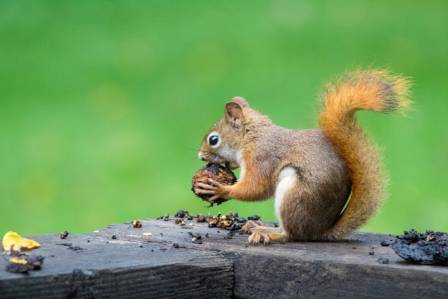
Although I cannot see colors the way humans do and mostly see in shades of black and white, my eyesight is excellent for detecting movement. This helps me notice predators before they get too close. I also have a strong sense of smell and sharp hearing, which are important tools for survival.
I am also extremely quick and flexible. Moving from branch to branch and climbing tall white oak trees (Quercus alba) are some of my favorite activities. Humans might compare my jumping skills to parkour, but for me, it is simply a natural ability.
My large fluffy tail is not just for appearance—it helps me maintain balance while moving through trees. My sharp claws allow me to grip rough bark and climb upward with ease. When I sense danger, I often freeze and press myself against a tree trunk. Then, I slowly move around the tree until I reach a safer height away from predators.
Favorite Foods Around Campus
One of my favorite places to spend time is near the Dining Center and Duck Pond because many white oak trees grow there and provide plenty of acorns. I also enjoy visiting the black walnut trees (Juglans nigra) along College Lane and College Circle.
My diet includes many types of forest foods, such as hickory nuts, beech nuts, berries, mushrooms, pine seeds, and fruits from dogwoods (Cornus) and wild cherries (Prunus). These nuts, seeds, and fruits are known as mast, which refers to plant materials from trees that provide food for wildlife.
Many people assume squirrels only eat plants, but I am actually an omnivore. When food is limited, I may eat insects, eggs, or even small animal remains. During early spring, I also feed on the buds and flowers of red maple (Acer rubrum) and sugar maple (Acer saccharum) trees, which provide valuable energy and moisture.
When autumn arrives, I collect and hide nuts underground to save for winter. Sometimes I forget where I buried them, and those forgotten seeds may grow into new trees. In this way, squirrels like me help forests regenerate and spread.
Although some squirrels may visit bird feeders looking for extra food, I have no reason to do that. Haverford’s Arboretum provides everything I need.
Appreciating the Role of Squirrels
I hope you now understand more about my life as a squirrel living in Haverford’s Arboretum. While squirrels are sometimes ignored or even viewed as pests in other places, I appreciate that people here recognize and celebrate us.
I especially enjoy the large squirrel sculpture near the Nature Trail entrance and the black squirrel symbols found throughout campus. Perhaps during your next walk through the Arboretum, you will notice me moving through the trees. If you do, feel free to stop and say hello while giving me plenty of space.
More from this set
SET · en

6 Key Benefits of Playing with Building Blocks for Children
Building blocks might appear simple at first glance — colorful pieces that can be stacked into towers, castles, or imaginative creations. However, beneath this playful activity lies a wealth of developmental benefits that play a crucial role in children's cognitive, physical, and emotional growth. Research in developmental psychology and education has highlighted how block play contributes to multiple areas of learning, making it a vital activity for young children.
SET · en
Five robotic systems that can paint like human artists
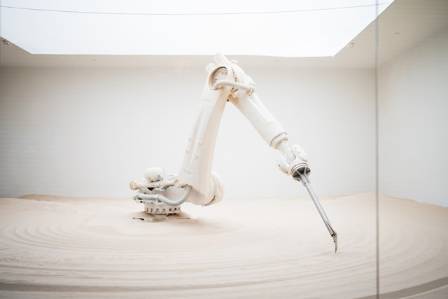
The growing overlap between robotics and the art world is producing remarkable outcomes, gradually blurring the boundary between human imagination and machine-driven production.
SET · en

A Journey Through the World's 5 Most Breathtaking Natural Landscapes
Immerse yourself in the awe-inspiring beauty of our planet with a journey through some of the world’s most captivating natural landscapes. From towering glaciers and serene lakes to dramatic cliffs and vibrant wildflower valleys, nature showcases its artistry in myriad forms. Join us as we explore 5 enchanting locales that promise to take your breath away and offer a respite from the daily grind.
SET · en
How to Draw a Hamster Step by Step
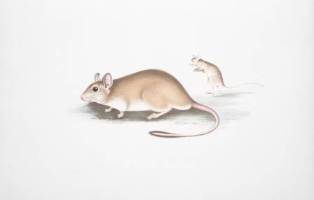
Hi everyone, welcome to Simple Easy Drawing! Today we’re going to create a cute hamster sketch together. It’s simple, fun, and fast—you can finish it in less than a minute! Whether you’re a beginner or just want a relaxing drawing activity, this is a perfect place to start.
SET · en
The Integration of Autonomous Systems in Metalcasting and Machining
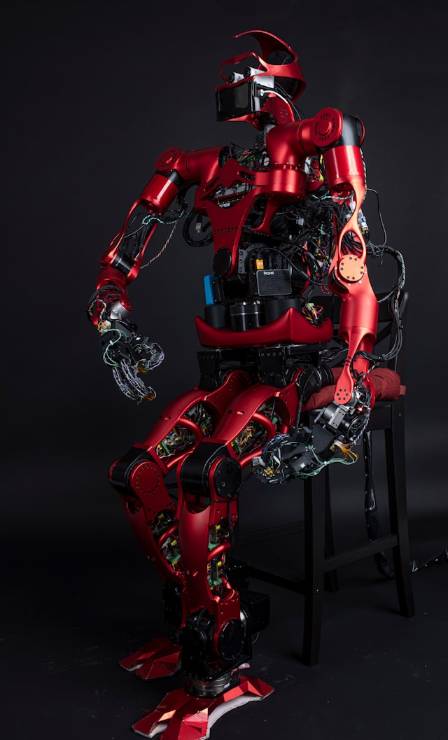
The implementation of advanced robotics within the manufacturing sector, specifically in metalcasting and precision machining, has seen a consistent upward trajectory since the late 20th century. Modern industrial automation increasingly utilizes these systems to enhance operational throughput and transition human personnel away from taxing, repetitive manual duties.
SET · en
Insights and Details About the Great Blue Heron
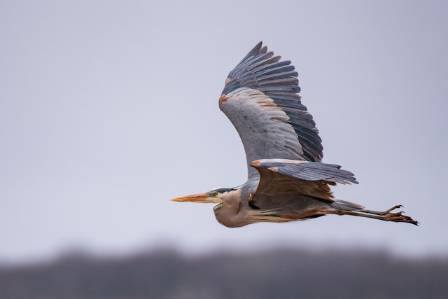
The Great Blue Heron stands out as one of the most notable avian species in North America, holding the title of the largest heron on the continent. When it comes to physical dimensions, these birds exhibit a considerable range: their body length typically spans from 38 to 54 inches, while their wingspan can stretch anywhere between 66 and 79 inches. In terms of weight, an adult Great Blue Heron usually weighs around 5.5 pounds, making it a substantial and easily recognizable bird in its natural habitats.