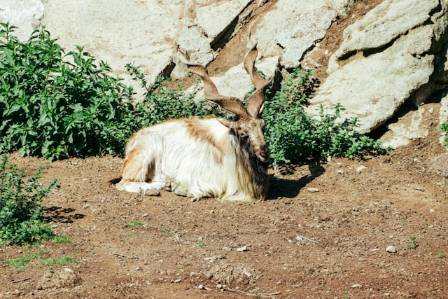
The Fainting Goat: A Unique Domestic Breed

Stage bit

The Fainting Goat: A Unique Domestic Breed

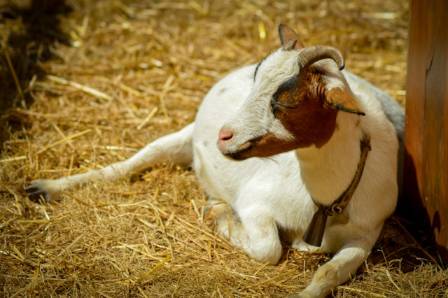
The Fainting Goat, also known as the Tennessee Fainting Goat or Myotonic Goat, is a distinctive domestic goat breed. Belonging to the subspecies of the wild goat (Capra aegagrus hircus), it is most famous for its unusual “fainting” tendency. Unlike true fainting, this behavior does not involve loss of consciousness, making the breed a source of curiosity and affection among farmers and pet owners alike.

T

Theodore

Mic note

House tip

The full bit continues below under the club spotlight.

Room

Open Mic Desk


The Fainting Goat, also known as the Tennessee Fainting Goat or Myotonic Goat, is a distinctive domestic goat breed. Belonging to the subspecies of the wild goat (Capra aegagrus hircus), it is most famous for its unusual “fainting” tendency. Unlike true fainting, this behavior does not involve loss of consciousness, making the breed a source of curiosity and affection among farmers and pet owners alike.

Physical Description

Like all goats, Fainting Goats have hooves with two primary toes (instead of a single hoof like horses) and many sport a pair of horns. They come in a variety of colors and patterns, standing 17 to 25 inches tall at the shoulder and weighing between 60 and 175 pounds. Their compact, sturdy build aligns with typical domestic goat proportions, while their diverse coat colors add to their visual appeal.

The “Fainting” Phenomenon

The breed’s signature “fainting” behavior stems from Myotonia congenita, a genetic disorder. When startled by a person, dog, loud noise, or unfamiliar object, their muscles contract and stiffen abruptly—often causing them to fall over. Crucially, this is not a true faint; the goats remain conscious throughout the episode. Reactions vary individually, with some goats stiffening more intensely or frequently than others.

Historical and Modern Purpose

Originally, farmers bred Fainting Goats as “sacrificial livestock.” Their tendency to stiffen and fall made them easy prey for predators, diverting attacks away from more valuable farm animals and reducing financial losses. Today, the breed serves primarily as a novelty: they are kept as pets, bred to preserve the fainting trait, and occasionally raised for meat. Their unique behavior has made them popular in petting zoos and among hobby farmers.

Habitat and Distribution

As a fully domesticated breed, Fainting Goats thrive in manmade habitats. They are typically raised on farmland, pastures with abundant grass and shrubbery, but also adapt to forests, mountainous regions, marshes, and woodlands. Originating from a single herd in Tennessee, the breed quickly gained popularity, spreading across the U.S. and eventually to various parts of the world.

Diet

Fainting Goats are herbivores with versatile feeding habits. Unlike horses and sheep, which mainly graze on grass, they are browsers—consuming grass, shrubs, leaves, bushes, and nearly any edible plant matter. Their ability to feed on a wide range of vegetation makes them adaptable to different habitats, though supplementary hay or grain is often provided to meet their nutritional needs.

Interaction with Humans

Human intervention is integral to the breed’s existence. Historically valued for protecting other livestock, they now share close bonds with humans as pets. Properly socialized Fainting Goats have friendly demeanors, though they are not suited for indoor living. They are also raised for meat in some regions, and their unique trait makes them a popular subject in educational settings.

Domestication

The breed’s lineage traces back to domestic goats with Myotonia congenita in Tennessee. Breeders selectively reproduced goats with the strongest fainting behavior to establish and expand the breed. This intentional breeding ensured the preservation of the genetic disorder that defines the Fainting Goat, turning a biological quirk into a desirable trait.

Suitability as Pets

Fainting Goats can make wonderful pets, but they require specific care. They are not house pets and need ample pasture for grazing and exercise, secure shelter from the elements, and regular medical care. Their social nature means they must be housed in groups, and their vulnerability to predators demands sturdy fencing. Prospective owners should research their needs thoroughly before bringing one home.

Care Requirements

Beyond space and shelter, Fainting Goats need a social environment—they thrive in herds. Their diet should include foraged vegetation supplemented with hay or grain, and access to clean water at all times. Due to their susceptibility to predation (exacerbated by their fainting trait), secure fencing is non-negotiable. Regular health checks, including parasite control and vaccinations, are also essential for their well-being.

Behavior

Aside from fainting, Fainting Goats exhibit typical domestic goat behavior: they are curious, social, and active. They interact well with other goats and often form close bonds with their human caregivers. Their reaction to fear is the most notable behavioral trait, but in calm environments, they are gentle and playful, making them enjoyable companions for those familiar with their needs.

Reproduction

Female Fainting Goats reach sexual maturity at a few months old but should not be bred until 6 to 9 months of age. Males mate with multiple females, and the gestation period lasts approximately five months. Females typically give birth to 2 or 3 offspring (called “kids”) and can breed every six months. This relatively quick reproductive cycle helps maintain the breed’s population with minimal human intervention.

More from this set

ST

SET · en

The Most Tall: Meet George, the Tallest Giraffe On Record

The Most Tall: Meet George, the Tallest Giraffe On Record

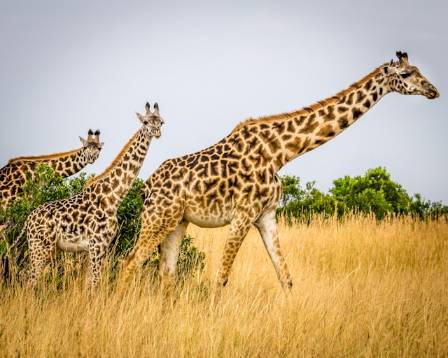
George the Masai bull giraffe became a legendary figure for his extraordinary height. This article revisits his arrival, growth, and legacy, while also offering some context about giraffe height in general.

ST

SET · en

Fascinating and Mystical Snow Leopard Facts That Will Amaze You

Fascinating and Mystical Snow Leopard Facts That Will Amaze You

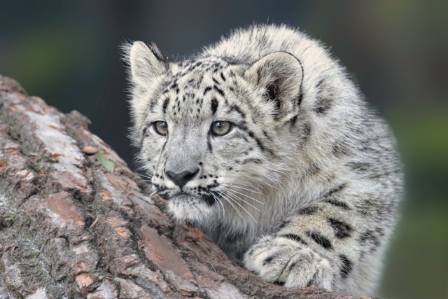
Snow leopards are among the most stunning and mysterious wild felines on the planet. They carry themselves with immense pride. People are naturally drawn to their exceptional white and gray coats. These predators are incredibly elusive. Very few individuals ever catch a glimpse of them in their natural habitat. They remain rare and endangered. They survive in some of the most brutal high-altitude zones and freezing climates on Earth.

ST

SET · en

11 Fascinating Facts About Peacocks

11 Fascinating Facts About Peacocks

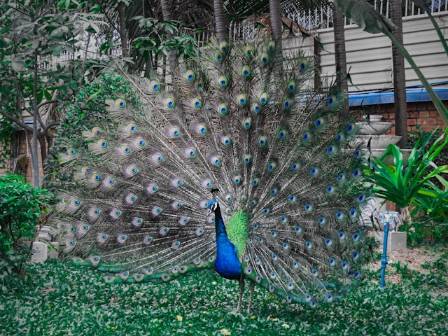
Recognized for their dazzling feathers and regal presence, peacocks are admired in parks, gardens, and sanctuaries around the world. Originating from Asia—especially the Indian subcontinent—these birds have long been associated with spirituality, nobility, and beauty. Beyond their striking appearance, peacocks have many surprising traits and a rich cultural history. Here are 11 lesser-known details about these majestic birds.

ST

SET · en

5 Enjoyable Cycling Tours for a Two-Wheel Vacation

5 Enjoyable Cycling Tours for a Two-Wheel Vacation

Exploring a new destination on a bike lets you fully immerse yourself in the surroundings while getting your heart rate up. These five exciting cycling tours will have you gliding past stunning scenery, soaking up the sunshine, and breathing in fresh air as you discover new places.

ST

SET · en

Stones in the Sea

Stones in the Sea

I was four years old when my grandfather and I walked along the shoreline of a Southern California beach. Or perhaps more accurately, he was walking while I repeatedly slowed him down.

ST

SET · en

5 of the Greenest Places in the World

5 of the Greenest Places in the World

According to many studies, walking in a green environment induces a significant reduction in heart rate and stress compared to environments of other colors. Relax and get inspired by traveling to one of the greenest places on earth.