Stage bit
Your Guide to Iceland’s Ice Cave Tours
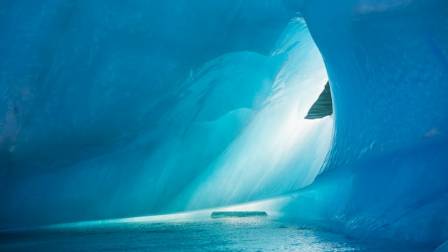
Iceland’s ice caves look like natural cathedrals made of crystal, with breathtaking blue chambers shaped by the movement of ancient glaciers. For anyone hoping to walk into one of these extraordinary frozen landscapes, joining an Iceland ice cave tour is one of the safest and most memorable ways to experience them.
Felix Whitaker
Mic note
House tip
The full bit continues below under the club spotlight.
Room
Open Mic Desk
Iceland’s ice caves look like natural cathedrals made of crystal, with breathtaking blue chambers shaped by the movement of ancient glaciers. For anyone hoping to walk into one of these extraordinary frozen landscapes, joining an Iceland ice cave tour is one of the safest and most memorable ways to experience them.
These remarkable formations develop as geothermal warmth and running water create passages through glacial ice, producing otherworldly spaces that seem almost unreal.
Inside, the ice can display a remarkable range of blue tones, from delicate, almost transparent shades to rich sapphire hues. The exact color depends on factors such as the glacier’s density and the age of the ice.
Keep reading to discover more about Iceland’s frozen underground world and how to explore it safely.
Experience one of Iceland’s most unforgettable winter adventures by joining a small group tour of the country.
Where are the ice caves in Iceland?
Some of Iceland’s easiest-to-access natural ice caves can be found on Vatnajökull, the largest glacier in Europe by volume. Located in southeastern Iceland, this enormous ice cap feeds several outlet glaciers that move toward the coastline, with caves developing within the flowing ice.
For this reason, Iceland’s south coast is generally the best region for ice caving. Many tours leave from the area around Jökulsárlón glacier lagoon or Vík and travel into caves within Vatnajökull National Park. Since glacial ice is constantly moving, the locations of the caves are different from one winter to the next. Some formations disappear while new ones develop.
Ice caves can also be explored around Mýrdalsjökull glacier. These locations tend to receive fewer visitors because reaching them often requires a longer hike. Although the caves are generally smaller, they are no less impressive.
There is no need to search for an ice cave by yourself. Your guide will know which locations are suitable according to the latest weather, glacier conditions, and safety evaluations. Guides regularly inspect new formations and select the most impressive chambers that can be safely visited during the season.
What’s the difference between ice caves and ice tunnels?
Natural ice caves are created by glacial processes, whereas ice tunnels are constructed by people. Both provide a unique way to experience Iceland’s frozen landscapes, and travelers with enough time may want to visit both.
Natural ice caves are continually changing. Meltwater moving beneath a glacier can carve out chambers and passageways that develop and transform throughout the year. These natural formations often feature spectacular blue ice and provide the authentic sensation of entering a glacier that is still constantly moving.
Artificial ice tunnels, such as the well-known Into the Glacier tunnel in Langjökull, offer access to glacial ice throughout the year. Built with specialised machinery, these tunnels are designed as stable and controlled passages that can generally be explored regardless of changing weather conditions.
If your itinerary allows, both types of experiences are worth adding to your Iceland trip.
Consider adding an ice caving experience to your self-drive or multi-day Iceland vacation.
What is the best ice cave to visit in Iceland?
Many of the most impressive ice cave excursions in Iceland take visitors to Vatnajökull glacier. However, it is difficult to name one cave as the absolute best because natural formations change from season to season. Your guide will select the most spectacular cave that is safe and accessible during your visit.
Katla ice cave excursions offer a somewhat different experience. These caves develop beneath Mýrdalsjökull glacier as a result of volcanic activity. Inside, you may see dark volcanic ash incorporated into the ice, creating a striking contrast between black volcanic material and luminous frozen walls.
Vatnajökull’s blue ice caves are especially appealing to photographers. Their walls can range from remarkably clear ice to intense shades of azure blue. Some chambers are spacious enough for dramatic wide-angle photographs, while smaller details in the ice provide opportunities for close-up images.
The appearance of the blue ice can also vary throughout the day as sunlight passes through the frozen walls at different angles. Visiting when the lighting is at its best can help you capture the dramatic colors and textures that make Iceland’s ice caves so popular with photographers.
What to expect on an Iceland ice cave tour with Nordic Visitor
An ice cave excursion normally begins at a designated meeting location, often close to Jökulsárlón glacier lagoon or another convenient point along Iceland’s south coast. Before heading onto the glacier, your guide will give you a safety briefing and explain the planned route as well as the current conditions.
Reaching the cave can be an adventure in itself. In many cases, the journey includes a ride in a super jeep, a specially adapted 4x4 vehicle designed to travel across challenging icy terrain. Along the way, your guide can also explain how glaciers develop and share information about Iceland’s local geology.
Before setting off on foot, you’ll be equipped with important safety gear. This typically includes crampons for traction on icy surfaces, an ice axe to help with stability, and a helmet. The tour operator supplies these items, but you should bring suitable warm clothing, sturdy hiking boots, waterproof outerwear, and snacks such as energy bars.
The amount of glacier hiking required to reach the cave entrance depends on the location. Some caves are reached after only a short walk, while others require approximately 20 to 30 minutes of walking across the glacier. Your guide will control the pace and make sure the group remains together.
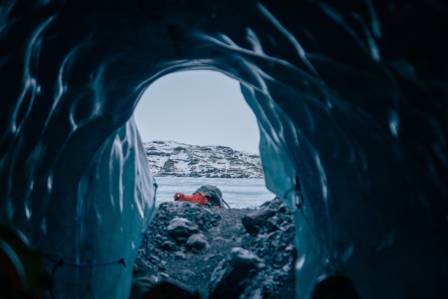
Once you enter the cave, you’ll have an opportunity to look around, photograph the ice, and appreciate the unusual formations surrounding you. Your guide will describe how the cave developed and highlight distinctive features within the walls. In some places, you may even notice narrow layers of volcanic ash preserved in the ice, left behind by earlier eruptions.
Good to know: Ice cave excursions depend heavily on weather and glacier conditions. Severe storms, flooding, unstable formations, or other hazards can result in a tour being cancelled with little notice. If you book through a tour provider, they can work with local partners to arrange a new date or offer another suitable activity when conditions prevent the original excursion.
When is the best time of year to go ice caving?
Natural ice caves can generally be visited from September through March, when colder temperatures help keep the formations more stable. This period also gives you the opportunity to combine ice caving with other seasonal experiences, including northern lights excursions.
September and October are appealing months for travelers who want to combine winter activities with sightseeing. You can go ice caving and search for the northern lights while still benefiting from relatively long daylight hours. Conditions are also often more manageable than during the heart of winter.
From November through February, conditions are generally more favorable for accessing ice caves, although there are considerably fewer daylight hours. During these colder months, the ice often develops its most intense blue appearance, making this period particularly attractive for photography.
The brilliant blue color is connected to the structure of compressed glacial ice. As the ice becomes denser, it contains fewer air bubbles, allowing light to travel farther through it. Red wavelengths are absorbed more readily, while blue light passes through, producing the vivid blue shades associated with Iceland’s famous ice caves.
Winter is also considered the best season for seeing the northern lights in Iceland because the nights are longer and darker.
Go ice caving or snowmobiling as part of a winter trip to Iceland.
Can you visit ice caves in Iceland on your own?
For safety reasons, it is strongly recommended that visitors explore Iceland’s natural ice caves with an experienced guide as part of an organised tour. These environments can be hazardous and require specialist knowledge as well as appropriate safety equipment.
Glacier conditions can change rapidly, sometimes within only a few hours. A passage that appears secure at one moment may become dangerous later. Professional guides monitor weather conditions, inspect the stability of caves, and determine which formations are suitable for visitors.
Reputable adventure operators work with guides who have training in glacier safety, rescue procedures, and first aid. Guides also carry appropriate emergency equipment and maintain communication with their base during excursions.
Trying to explore a glacier or ice cave without professional assistance can expose visitors to serious risks, including falling into crevasses or becoming lost. It can also be difficult for inexperienced travelers to recognise unstable snow bridges or caves that could collapse. Even experienced mountaineers commonly rely on professional guides when exploring Icelandic ice caves.
Good to know: Before your trip, make sure your travel insurance specifically includes coverage for glacier-related activities.
What do I wear on an ice cave tour in Iceland?
Your guide will normally supply essential technical equipment such as crampons, an ice axe, a helmet, and a harness. You are responsible for bringing suitable footwear and clothing, including sturdy hiking boots, insulating layers, and waterproof outerwear. Dressing appropriately can make a major difference to your comfort during the excursion.
Base layers
Wear a thermal layer next to your skin, with merino wool or synthetic fabrics being good choices. Cotton is best avoided because it absorbs moisture and loses its insulating ability when wet.
Insulated layers
Bring a fleece or similar warm mid-layer together with an insulated jacket. Layering allows you to add or remove clothing as temperatures and your activity level change throughout the day.
Outer shell
A waterproof jacket and waterproof trousers are essential when visiting a glacier. You may encounter melting ice, snow, rain, and other wet conditions during the excursion.
Footwear
Choose sturdy hiking boots that provide good ankle support. They should also be comfortable enough for walking across uneven and icy ground.
Accessories
Pack a warm hat, neck warmer, and waterproof gloves. Gloves with textured or grippy palms are preferable to bulky mittens because you’ll need enough finger movement to handle an ice axe and operate your camera.
Additional gear
A backpack with enough space for extra clothing is useful. You should also carry water, snacks, sunglasses, and sunscreen. Snow and ice can reflect significant amounts of sunlight, creating glare even when the sky is cloudy.
Hand warmers
Small disposable or reusable hand warmers can be especially useful during a long, cold day exploring Iceland’s ice caves. They take up very little space and can provide welcome extra warmth when temperatures drop.
More from this set
SET · en

How to Draw a Mushroom
This tutorial demonstrates a simple method to draw a mushroom, complete with illustrated steps and easy-to-follow instructions.
SET · en

Mango Smoothie Recipe
A few days ago, my local supermarket was offering oversized mangoes at a discount, so I bought quite a few. Once they reached peak ripeness, I spent roughly half an hour peeling, slicing, and freezing the fruit in chunks. Now I have a generous supply of frozen mango pieces ready for smoothies. Mornings feel noticeably more refreshing when I start the day with this mango smoothie.
SET · en
How to Choose the Right Minibus Size for Your Group
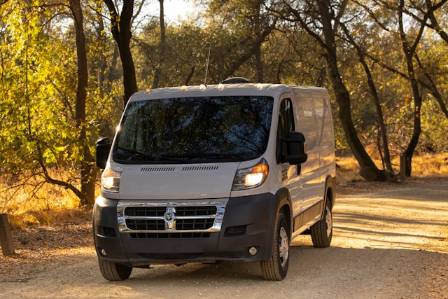
Planning a group trip—whether it’s a family outing, school excursion, corporate event, or airport transfer—requires careful consideration of transportation, and choosing the right minibus size is a crucial step. The perfect minibus ensures everyone travels comfortably, has ample space for luggage, and stays safe throughout the journey. This guide simplifies the selection process by breaking down minibus sizes, their ideal uses, key features, and essential factors to consider, making it easy for you to find the best fit for your group, even if you’re specifically looking for a 16-seater minibus hire or exploring other size options.
SET · en

18 Exceptional Turkey Recipes for a Memorable Thanksgiving
Whether you are a seasoned holiday host or a first-time cook tasked with the centerpiece of the meal, achieving a perfect turkey is the ultimate goal. From traditional roasting techniques to creative alternatives, there are countless ways to ensure your bird is the highlight of the table. Success often begins with a solid foundation—like a quality brine and a flavorful herb butter—and ends with the satisfaction of a beautifully carved feast. The following recipes offer a range of methods, including smoking, frying, and slow-roasting, to suit any kitchen setup and personal preference.
SET · en
5 Enjoyable Cycling Tours for a Two-Wheel Vacation
Exploring a new destination on a bike lets you fully immerse yourself in the surroundings while getting your heart rate up. These five exciting cycling tours will have you gliding past stunning scenery, soaking up the sunshine, and breathing in fresh air as you discover new places.
SET · en
UNESCO Designates 13 New Global Geoparks in Africa, Asia, Europe, and North America
UNESCO's Executive Board, in a momentous decision, has officially recognized 13 additional Geoparks that illuminate the immense geological diversity present across our planet. The global network now proudly boasts 140 UNESCO Global Geoparks spanning 38 countries. Here's an introduction to these newly designated sites: