
Stage bit
The Real Difference Between Alpacas and Llamas And Why It Matters
Animals have a wonderful way of capturing our attention. They remind us of the incredible value of kindness and coexistence. A wildlife sanctuary always welcomes creatures in desperate need of shelter. Recently a group of incredibly fluffy alpacas arrived at a rescue center. Many people wonder if these creatures are identical to llamas. They look very similar at first glance. However they are actually quite different. Both belong to the famous South American camelid family. Yet they have distinct physical traits and behaviors. Understanding these differences helps caretakers provide excellent daily support.
Hayward Benjamin
Mic note
House tip
The full bit continues below under the club spotlight.
Room
Open Mic Desk
Animals have a wonderful way of capturing our attention. They remind us of the incredible value of kindness and coexistence. A wildlife sanctuary always welcomes creatures in desperate need of shelter. Recently a group of incredibly fluffy alpacas arrived at a rescue center. Many people wonder if these creatures are identical to llamas. They look very similar at first glance. However they are actually quite different. Both belong to the famous South American camelid family. Yet they have distinct physical traits and behaviors. Understanding these differences helps caretakers provide excellent daily support.
Distant South American Cousins on Different Paths
These two species are like relatives who grew up in the same region. They chose completely different lifestyles over time. Humans domesticated both animals thousands of years ago. People bred them for entirely unique purposes over the generations.
Petite and Gentle Alpacas
Alpacas are the smaller members of the family. They usually stand under three feet tall at the shoulder. They generally weigh between one hundred and one hundred and seventy-five pounds. These quiet creatures are famous for their incredibly soft coats. Their special fiber is much warmer than traditional sheep wool. It is also completely hypoallergenic. Alpacas have a very powerful herd instinct. They feel safest when they are surrounded by their friends. An isolated alpaca will quickly become anxious and stressed. They must always live in groups to stay healthy.
Tall Independent and Tough Llamas
Llamas are much larger and heavier than their fluffy cousins. A fully grown llama can easily weigh up up to four hundred pounds. They possess long ears that look like bananas. They also have an alert posture and longer faces. Humans originally bred them to serve as pack animals. They carried heavy loads across the rugged Andes Mountains. Llamas also work as brave guards on livestock farms. They actively protect smaller animals from dangerous predators like foxes and coyotes. They are confident and highly independent creatures. They become very feisty when they sense immediate danger.
Surprising Behavioral Quirks and Spitting Habits
Every member of this animal family can spit. However they rarely direct this behavior at humans. They only do it when they feel deeply threatened. Llamas use spitting to show dominance within their group. They also spit to warn away potential rivals. Alpacas prefer to communicate differently. They make a soft humming sound when they feel anxious. They also cluck softly when they are curious about their surroundings. Alpacas choose to stay very close to their herd. Llamas prefer to act as brave bodyguards for the group.
Comparing Personalities and Temperaments
Their individual personalities vary significantly despite their similar heritage. Alpacas are generally cautious and quiet. They feel far more comfortable around their fellow animals than around humans. Loud noises and sudden movements easily frighten them. Llamas display much more confidence. They enjoy interacting with human visitors. Their highly alert nature makes them perfect protectors for sheep and goats.
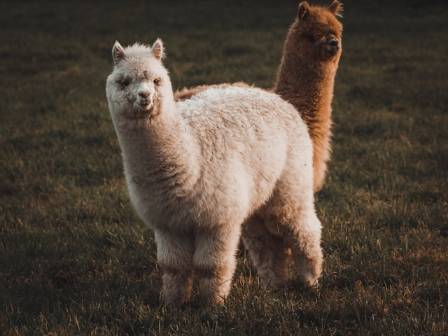
Clear Physical Differences in Size and Structure
You can easily tell them apart by looking at their body structures. A typical llama weighs between two hundred and eighty and four hundred and fifty pounds. They can grow up to six feet tall including their heads. They have large frames and elongated faces. Alpacas are much more compact. They weigh up to one hundred and seventy-five pounds. They stand around three feet tall at the shoulder and have short faces. If the animal looks massive and tall it is a llama. The smaller fluffier animal is always an alpaca.
The Truth About Why Camelids Spit
Spitting is a natural method of communication rather than random anger. They use it to establish a clear hierarchy during meal times. They also spit when they feel annoyed by another herd member. Humans rarely experience this directly. It usually happens if an animal faces extreme stress or poor handling. Alpacas mostly spit at each other during food competitions. Llamas use it as an intense warning signal when they are uncomfortable. Good care facilities rarely see animals spitting at people.
Can You Keep These Animals as Pets
Both species can live comfortably on large farms or rural properties. However they do not make good indoor household pets. Alpacas are friendly but remain quite reserved. They absolutely require the company of a herd. They are relatively low maintenance compared to other livestock. They are social creatures but they do not like excessive cuddling. Llamas are more independent and highly trainable. Owners often use them to guard vulnerable livestock. Both animals need vast open spaces and proper daily care. They are best suited for professional sanctuaries or large rural farms.
Historical Origins in the High Andes
Both creatures originally come from the beautiful Andes Mountains. They thrive across Peru and Bolivia. They are also native to Chile. Andean communities have raised these animals for thousands of years. They rely on alpacas for luxurious wool. They use llamas to transport heavy goods across mountain passes. These animals love high altitudes and cool dry climates. They are perfectly adapted to mountain grasslands. Today people raise them globally in specialized rescue centers.
Inspiring Rescue Stories from the Sanctuary
A local rescue center recently welcomed four wonderful alpacas. Their names are Skye, Tiki Rose, Cat-Blue, and Spirit. Each animal came from a situation of severe neglect. They are now settling into their spacious new home. They love gentle grooming sessions and fresh carrots. Another amazing survivor named Neptune survived a brutal mountain lion attack. She bears emotional scars from her trauma. She requires a peaceful environment and quiet voices. She is slowly learning to trust humans again. All these rescued animals receive around the clock medical attention.
Providing Specialized Care for Sensitive Herbivores
Alpacas do not require high security cages like lions or bears. However their daily management is still highly complex. Neglected animals require patient hands and consistent schedules. Their thick coats grow continuously and require regular shearing. This prevents the animals from overheating during hot summer months. Because they have strong herd instincts they must never live alone. They need a peaceful sanctuary to heal from past trauma. Every individual deserves daily health checks and an environment free from fear.

More from this set
SET · en

Cosmic Windows
Telescopes are among humanity’s most powerful tools for exploring the unknown. They transform faint light from distant galaxies—mere sparks in the sky—into rich data about stars, planets, and the very origins of the universe. With modern space telescopes like Hubble and the James Webb Space Telescope (JWST), we can now peer deeper and clearer than ever before. These “cosmic windows” have redefined what we know about space and opened new paths for discovery.
SET · en
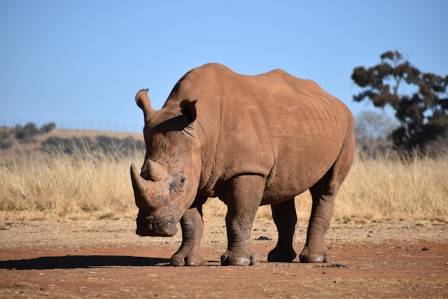
Seven Mind Blowing Secrets About Rhinos You Likely Never Knew
These animals are truly remarkable yet tragically rare today. We have gathered a collection of captivating insights about them. These creatures remain some of the most impressive beings on the planet.
SET · en

Exploring Nine Distinctive Types of Burgers
In the vast and vibrant landscape of modern cuisine, burgers have firmly established themselves as a beloved staple, constantly evolving and presenting a remarkable array of flavors and dining experiences. Whether served at casual diners or upscale restaurants, burgers have managed to captivate the taste buds of countless people around the world. Let's take a closer look at nine different types of burgers that each bring something unique to the table.
SET · en

The Evolution of Skateboarding: A Deeper Look into the Sport
Skateboarding, a dynamic sport and recreational activity, involves the art of riding and executing tricks on a skateboard. Skaters find themselves perched atop a flat wooden board, a configuration consisting of a deck, trucks, and wheels, utilizing a unique blend of momentum and footwork to perform awe-inspiring tricks.
SET · en

Fascinating Insights About Kittens for Young Readers
Kittens are widely considered some of the most charming animals on earth. These tiny, velvety, and energetic creatures have a unique way of brightening our day. Whether you are already a cat enthusiast or simply curious about nature, kittens possess many remarkable qualities. Understanding their development and behaviors makes these young felines even more impressive.
SET · en

The Environmental and Safety Impact of Sport Utility Vehicles
By November 2000, American consumers had purchased 2.8 million SUVs, accounting for 17 percent of all vehicle sales that year. A prominent example of this trend is the Ford Excursion, which weighs 7,600 pounds—the equivalent of three Honda Civics—and accommodates nine passengers while achieving only 12.5 miles per gallon. Over its operational lifespan, a standard Honda Civic releases 40 tons of carbon dioxide, whereas a Ford Excursion is responsible for 134 tons of the same greenhouse gas.