Stage bit
Peperomia tetraphylla ‘Hope’ Indoor Care
For indoor plant lovers, a houseplant that combines beauty with easy care is always a favorite. Peperomia tetraphylla ‘Hope’ is exactly that kind of plant. This charming trailing variety requires little attention and can bring a soft, green touch to any indoor space.
Kieran Wells
Mic note
House tip
The full bit continues below under the club spotlight.
Room
Open Mic Desk
For indoor plant lovers, a houseplant that combines beauty with easy care is always a favorite. Peperomia tetraphylla ‘Hope’ is exactly that kind of plant. This charming trailing variety requires little attention and can bring a soft, green touch to any indoor space.
With its small, rounded, succulent-like leaves, Peperomia ‘Hope’ is a tropical epiphyte. In its natural environment across Central and South America, it grows by attaching itself to other plants and is often found spreading over decaying wood rather than growing directly in soil.
When grown indoors, Peperomia Hope is especially attractive as a hanging plant or a trailing addition to shelves and plant stands. Although it grows slowly, under ideal conditions its stems can eventually extend to around 2.5 to 3 feet in length.
About Peperomia ‘Hope’
Peperomia tetraphylla ‘Hope’ is a hybrid created from Peperomia quadrifolia and Peperomia deppeana. It is sometimes mistaken for another small-leaved trailing variety called Peperomia rotundifolia or trailing jade peperomia, but the two plants are different cultivars.
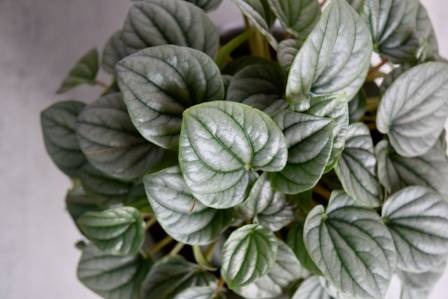
Peperomia Hope can be identified by its thicker leaves, which usually grow in groups of three or four and are spaced farther apart along the stems compared with rotundifolia.
As the plant matures, it may produce thin flower spikes with a mix of green, brown, or yellow tones. These narrow spikes can look similar to tiny wax candles, but they are actually the plant’s flowers. You can leave them on the plant or remove them depending on your preference.
Another interesting fact is that Peperomia belongs to the pepper family, the same plant family that includes the source of black pepper.
Light Requirements for Peperomia Hope
Peperomia Hope grows best when placed in bright, indirect light. Although it can survive in lower-light areas, insufficient light may slow its growth, cause the leaves to lose their color, and eventually lead to leaf drop.
This plant also performs well under full-spectrum grow lights, especially in homes with limited natural sunlight or during darker winter months. Avoid placing it in intense direct sunlight, particularly near uncovered south- or west-facing windows, because the thick leaves can easily become scorched.
An east-facing window is often an excellent location because it provides gentle morning sunlight without excessive heat.
Watering Peperomia Hope
Too much water is one of the biggest threats to Peperomia Hope. Excess moisture can quickly cause root rot, so it is important to allow the soil to dry slightly between waterings.
Water the plant when the upper 1 to 2 inches of soil feel dry. Smaller plants generally need the top inch checked, while larger plants can usually wait until the top 2 inches have dried.
When watering, thoroughly soak the soil and allow extra water to drain away completely. Never let the pot sit in standing water. Always use room-temperature or slightly warm water. Signs of underwatering include leaves that become curled, wrinkled, or slightly folded.
Fertilizing Peperomia Hope
During the active growing season from spring through fall, feed Peperomia Hope about once a month with an organic fertilizer.
Avoid using overly strong chemical fertilizers, as they can be too harsh and may cause brown or crispy leaf edges. During winter, when the plant’s growth naturally slows down, fertilizer should be reduced or stopped.
To improve soil quality and provide additional nutrients, you can add a layer of worm compost to the soil surface every three months.
Humidity Requirements
Because Peperomia Hope originates from tropical regions, it appreciates a moderate level of humidity. However, its slightly succulent-like leaves allow it to handle average indoor conditions better than many tropical plants.
The ideal humidity range is around 40 to 55 percent. If your home is especially dry, increasing humidity with methods such as a humidifier or other moisture-supporting techniques can help the plant grow more comfortably.
Temperature Preferences
Peperomia Hope prefers warm indoor temperatures similar to those found in its native tropical environment. It grows well when temperatures remain between 65°F and 80°F.
Keep the plant away from cold drafts, air-conditioning vents, heaters, and sudden temperature changes, as these conditions can stress the foliage.
Repotting Peperomia Hope
Since Peperomia Hope naturally grows as an epiphyte and does not require large amounts of soil, it actually prefers being slightly root-bound. Moving it into an oversized container can increase the chance of excess moisture and root problems.
When repotting, handle the plant carefully because the delicate stems can break easily. Terracotta pots are a good choice because they allow moisture to evaporate more quickly and help prevent overly wet roots.
For hanging plants, a coir-lined hanging basket is another suitable option that closely resembles the plant’s natural growing conditions.
Pruning Peperomia Hope
Peperomia Hope looks beautiful when its vines are allowed to grow naturally and trail downward. However, if you prefer a fuller, bushier appearance, regular trimming can encourage a more compact shape.
Pruning also helps maintain a healthier-looking plant and prevents the stems from becoming too long and sparse.
Pests and Common Problems
Peperomia Hope can experience issues such as root rot and brown leaf spots, which are usually linked to fungal problems caused by excessive watering. The best prevention is to avoid keeping the soil constantly wet and provide proper drainage.
Occasionally, pests such as mealybugs and scale insects may appear. These can be treated with 91% isopropyl alcohol applied carefully to affected areas.
Keeping the plant healthy with proper light, watering, and growing conditions is the best way to prevent pest problems, since stressed plants are more likely to attract unwanted insects.
More from this set
SET · en
Zesty Pineapple Brown Rice with Crispy Seitan
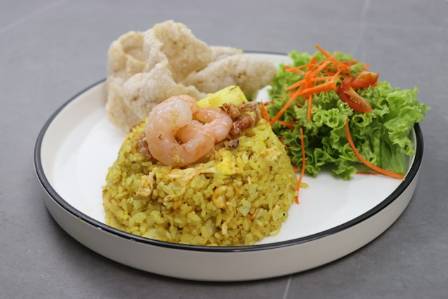
This vibrant dish combines a bed of fresh greens with hearty brown rice, all tied together by a complex pineapple dressing that strikes a perfect balance between spicy, salty, and sweet. Studded with pan-fried seitan for texture, this meal is exceptionally versatile, tasting just as wonderful served warm as it does at room temperature.
SET · en

Exploring the Oregon Dunes: 4 Guides to North America's Largest Coastal Sand Dunes
Stretching across 40 miles of Pacific coastline, these monumental sand formations create a mesmerizing yet imposing landscape. The Oregon Dunes National Recreation Area, extending from Florence southward, represents North America's most extensive coastal dune system—an extraordinary ecosystem within an almost surreal environment.
SET · en

Mindfulness and Mental Health: How Running Benefits Women's Well-being
“Running is not just about covering miles—it’s about uncovering the calm within the chaos of everyday life.”
SET · en

The Most Memorable Waterfalls: Our Top 5 Picks and What to Expect
Choosing a single “best” waterfall is an exercise in subjectivity, envy, and personal experience. Even among two travelers who’ve chased many cascades, tastes diverge. What follows is our personal, road-tested ranking of waterfalls we’ve actually visited across the globe. These picks celebrate variety—towering plumes, braided cascades, and landscapes that make every detour worthwhile.
SET · en

The World’s Ten Tallest Peaks: A Journey to the Roof of the Earth
Mountains have always captivated human imagination with their towering heights and majestic presence. Among them, the highest peaks on our planet stand as extraordinary natural monuments that challenge explorers, climbers, and adventurers alike. These colossal summits are scattered mainly across the Himalayan and Karakoram ranges in Asia, offering breathtaking vistas and extreme conditions. This overview introduces the ten tallest mountains in the world, detailing their locations, unique characteristics, and significance.
SET · en
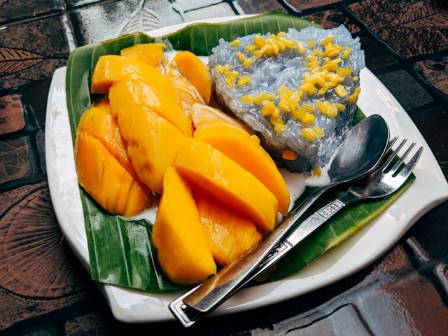
Authentic Thai Mango Sticky Rice
Thai mango sticky rice is a globally adored dessert that combines the tropical sweetness of ripe mangoes with the rich, comforting texture of coconut-infused glutinous rice. Known in Thailand as kao niew mamuang, this dish relies on a delicate balance of sweet and salty flavors. While the classic version is brilliant white, modern variations often feature vibrant, naturally dyed rice.