Stage bit
A Comprehensive Guide to Sculpting Animals with Clay Armatures
Sculpting animals can be a complex task because our brains often rely on general perceptions rather than anatomical facts. Features like thick fur or our emotional bond with a pet can obscure the actual physical structure of the animal. Challenges such as supporting a heavy body on thin legs or managing the sheer weight of the clay on a larger scale often frustrate beginners and professionals alike.
Mason Everett Clarke
Mic note
House tip
The full bit continues below under the club spotlight.
Room
Open Mic Desk
Sculpting animals can be a complex task because our brains often rely on general perceptions rather than anatomical facts. Features like thick fur or our emotional bond with a pet can obscure the actual physical structure of the animal. Challenges such as supporting a heavy body on thin legs or managing the sheer weight of the clay on a larger scale often frustrate beginners and professionals alike.
Using a clay armature is a highly effective solution. This technique involves building a central support out of clay that stays inside the piece, shrinking and drying at the same rate as the exterior. This method allows you to focus on the essential skeleton first, giving you a solid foundation to work outward from while making it easy to correct mistakes or adjust textures along the way.
Understanding the Importance of Anatomy and Perception
The primary reason naturalistic sculpture is difficult is that our lifelong knowledge of an animal is based on general experience, not specific measurements. To create a lifelike, moving form, you must often go against what "feels" right and rely on anatomical data. Portraiture and figurative sculpture provide a systematic way to organize these subtle details.
A skeleton acts as a "stick figure" with the correct proportions. Without this guide, muscle changes and fur can lead to sculptures that look like stuffed toys rather than living beings. By practicing these skills, you improve your artistic "vision," motor skills, and concentration, much like a musician practicing scales.
Advantages of the Clay Armature Technique
Many traditional armatures made of wood or metal are rigid. Because clay shrinks as it dries, it will often crack around a fixed internal support. A clay armature, however, is invaluable because it shrinks with the sculpture.
Techniques like coiling or slab-building often force you to harden the bottom sections before moving upward, which prevents you from making changes later. Working solid over a clay armature allows you to prioritize the best possible shape. You only need to hollow out the piece just before the final finishing touches are applied. This ensures the weight is supported throughout the entire creative process.
Steps for Sculpting on a Small Scale
Starting with a small project helps you grasp the fundamentals quickly. It is best to use a "hand-building" clay with grog (pre-fired grit), as it sags less and is structurally stronger than smooth wheel-throwing clay.
-
Block Out the Form: Print a skeleton diagram of your chosen animal to use as a reference for height and length.
-
Create the Base: Measure the distance between the feet and create a clay slab base about 1–2 cm thick to hold the legs steady.
-
Build the Armature: Lay clay over your diagram to match the basic proportions. Use a "temporary support" block under the belly to bear the weight while you work.
-
Work in Rotations: Refine the entire sculpture evenly by turning it. Focus on proportions and bone placement rather than surface details like fur or eyes.
-
Refine Proportions: Constantly measure against your diagram. If the horse looks like a dog, the proportions are likely off. Use tools to add small bits of damp clay to the joints and muscle groups.
Transitioning to a Larger Scale
When working larger, the principles remain the same but require more structural planning. You can start by drawing the skeleton directly onto a stiff clay slab that serves as your central support.
-
Central Support: Stand your skeleton-inscribed slab upright to act as the "core."
-
Building Outward: Use images of the animal from different angles to determine the widths of the ribcage, hips, and head.
-
Managing Gravity: For animals with thin legs, like giraffes or meerkats, use the central clay support as part of the design (such as a rock or a tree stump) to eliminate distracting fragility.
-
Rotational Refinement: Always be willing to cut off and redo parts that look incorrect. A perfectly sculpted eye will look wrong if the underlying skull structure is misplaced.
Adding Details and Finishing Touches
Once the proportions are accurate, you can begin to inject personality into the piece. A simple tilt of the head or a specific ear position can bring the animal to life.
-
Texture and Surface: Use different tools to create fur, scales, or skin textures. Ensure the style is consistent across the entire form.
-
The Final Rotations: Apply a "five-rotation rule." Go around the piece at least five times with increasingly smaller tools, adding and subtracting clay until you can no longer see anything that needs improvement.
-
Hollowing and Venting: If the piece is thick, hollow it out from the bottom or back. Always poke small needle holes into any areas that might contain trapped air to prevent explosions in the kiln.
-
Slow Drying: Dry the sculpture slowly under a cardboard box or loose plastic. This prevents the thin parts (like legs) from drying and cracking faster than the thick body.
Ensuring Quality Joins and Successful Firing
To prevent your sculpture from falling apart, you must create genuine joins. This is done by "scoring" (scratching) the surfaces and applying water or slip to soften the clay. Press the pieces together and move them slightly until you feel them "lock."
The thickness of the clay is also critical. Generally, 3 cm is the maximum thickness for safe firing. If a piece breaks into large shards in the kiln, it was likely due to trapped air; if it shatters into tiny pieces, it was not completely dry. Following a slow firing schedule—increasing the temperature gradually—will help ensure your hard work survives the heat.
More from this set
SET · en
How to Draw a Hot Air Balloon Easily
Looking for a simple way to draw a hot air balloon? You’re in the right place! Whether you’re a complete beginner or helping kids explore creativity, this easy step-by-step tutorial is perfect for all ages.
SET · en
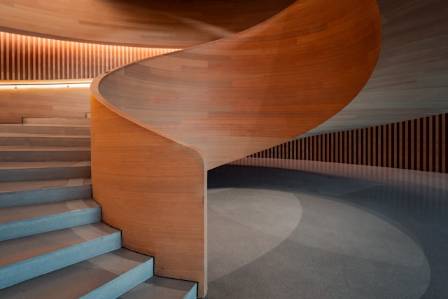
Amazing Staircases Found Indoors
Most staircases are designed simply to connect one floor to another, but every now and then, a staircase comes along that is so extraordinary it becomes a work of art in its own right. Some spectacular staircases can make us feel as though we have stepped into another era, combining architecture, craftsmanship, and dramatic design in unforgettable ways. While remarkable staircases can be difficult to discover, these ten examples are among the most breathtaking in the world.
SET · en
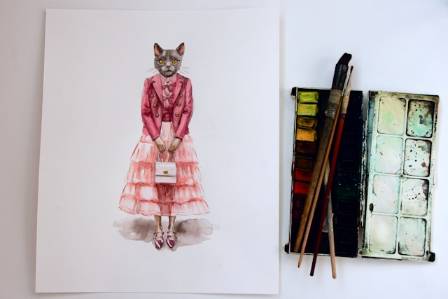
Fascinating Insights About Kittens for Young Readers
Kittens are widely considered some of the most charming animals on earth. These tiny, velvety, and energetic creatures have a unique way of brightening our day. Whether you are already a cat enthusiast or simply curious about nature, kittens possess many remarkable qualities. Understanding their development and behaviors makes these young felines even more impressive.
SET · en
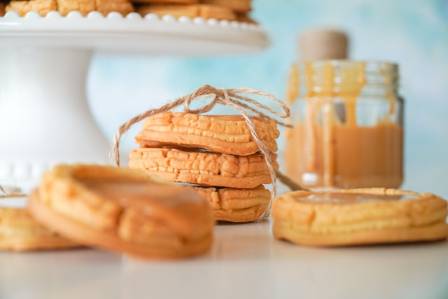
The Best Crispy Chocolate Chip Cookies
These cookies take inspiration from the thin, crisp treats made famous by Long Island’s Tate’s Bake Shop. This version enhances the flavor by increasing the amount of brown sugar, vanilla, and chocolate chips, creating a richer and more indulgent cookie.
SET · en

The World’s Ten Tallest Peaks: A Journey to the Roof of the Earth
Mountains have always captivated human imagination with their towering heights and majestic presence. Among them, the highest peaks on our planet stand as extraordinary natural monuments that challenge explorers, climbers, and adventurers alike. These colossal summits are scattered mainly across the Himalayan and Karakoram ranges in Asia, offering breathtaking vistas and extreme conditions. This overview introduces the ten tallest mountains in the world, detailing their locations, unique characteristics, and significance.
SET · en
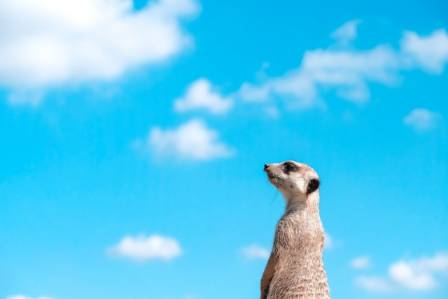
Fascinating Meerkat Facts to Astonish Your Kids
Meerkats, often portrayed as cute and cuddly creatures, possess a world of astonishing adaptations that go beyond their charming appearance. Explore these remarkable facts that will leave you, your friends, neighbors, and children in awe.