Stage bit
Unlocking Imagination in Illustration
Illustration is a powerful medium for exploring ideas and expressing creativity. By understanding how imagination works and learning strategies to develop it, artists can create captivating, original, and visually engaging pieces.
Caleb Turner
Mic note
House tip
The full bit continues below under the club spotlight.
Room
Open Mic Desk
Illustration is a powerful medium for exploring ideas and expressing creativity. By understanding how imagination works and learning strategies to develop it, artists can create captivating, original, and visually engaging pieces.
The Role of Imagination in Illustration
Imagination is the engine of creativity. In illustration, it allows artists to visualize concepts and scenes that don’t exist in reality. It combines prior knowledge, observation, and personal experience to generate novel ideas, stories, and visuals. Essentially, imagination is the spark that transforms an idea into a unique piece of art.
The Psychology Behind Creative Visualization
Creative visualization involves forming mental images to inspire original ideas and solutions. Research in psychology points to the brain’s default mode network (DMN) as key to this process. The DMN is active during daydreaming, reflection, and memory recall—processes that fuel imaginative thinking.
Studies indicate that highly creative individuals often have a more active DMN. Practices like meditation and mindfulness can strengthen this network, helping artists access and enhance their imaginative abilities.
Examples of Imagination-Fueled Illustration
Illustrators across genres use imagination to transport audiences into new worlds:
Whimsical storybook worlds by artists like Quentin Blake or Beatrix Potter
Surrealist dreamscapes in works by Salvador Dalí or René Magritte
Innovative comics and graphic novels by creators such as Chris Ware and Adrian Tomine
These examples show how imagination allows artists to design entire environments, characters, and narratives beyond conventional constraints.
Techniques to Cultivate Imagination
While imagination is innate, it can be developed with consistent practice. Here are some effective strategies:
Mind Mapping and Idea Generation
Start with a central theme or concept
Branch out to related ideas, images, and associations
Use colors, symbols, and visuals to add layers and depth
Allow free association to discover unexpected connections
Exploring New Mediums and Styles
Experiment with different materials, such as switching from pencil to digital platforms like Procreate or Adobe Illustrator
Try diverse illustration styles, including minimalism, realism, abstraction, or mixed media
Combining unconventional tools or textures can inspire fresh creative solutions
Bringing Ideas to Life
Once your imagination is engaged, the next step is translating it into visual art. This requires both creativity and technical proficiency.
Converting Ideas to Visuals
Observe the world to inform sketches and ideas
Practice drawing, composition, and design regularly
Test different materials and techniques to find what resonates with your vision
Balancing Skill and Creativity
Knowledge of color theory, composition, and rendering is essential
Develop mastery in your chosen tools, whether traditional or digital
Combine imagination with skill to create illustrations that are both original and polished
Overcoming Creative Blocks
Step away from your work to reset perspective
Engage in activities that inspire, such as reading, traveling, or exploring new hobbies
Seek feedback from mentors, peers, or online communities
Recognizing that creative obstacles are natural helps maintain consistent progress and fosters resilience in the creative process.
Conclusion
Imagination is the heart of illustration, allowing artists to design compelling, inventive, and visually rich work. By understanding the psychology of creativity, practicing imaginative exercises, and balancing technical skill with creative vision, illustrators can unlock their full potential and produce art that captivates and inspires.
More from this set
SET · en
The Most Colorful Facts About Mandarin Ducks
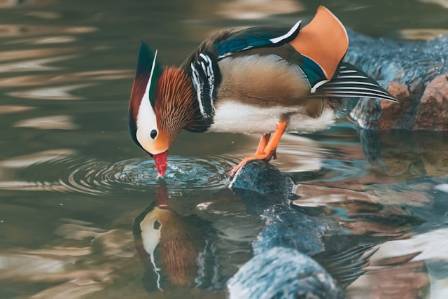
Mandarin ducks (Aix galericulata) are celebrated as some of the world’s most stunning waterfowl, famed for their multicolored plumage and graceful presence. Beyond their striking looks, these birds feature intriguing behaviors, history, and cultural significance. This article revisits five colorful facts about the mandarin duck, presented in a clear, accessible style.
SET · en

How to Draw a Hot Air Balloon Easily
Looking for a simple way to draw a hot air balloon? You’re in the right place! Whether you’re a complete beginner or helping kids explore creativity, this easy step-by-step tutorial is perfect for all ages.
SET · en
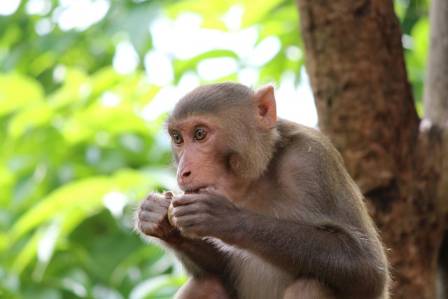
Crab-eating Macaque: The Adaptable Monkey of Southeast Asia
The crab-eating macaque, also widely called the long-tailed macaque, is a native primate of Southeast Asia. Its natural range covers countries such as Indonesia, Malaysia, Thailand, and the Philippines, while populations also occur along parts of the Indian coast and on major tropical islands including Borneo and Sumatra.
SET · en
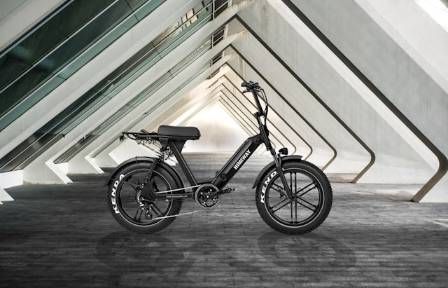
The best folding electric bikes
After testing dozens of folding electric bikes throughout 2026, we selected the models that received the highest overall ratings. These folding e-bikes stood out for their lightweight designs, portability, riding performance, battery range, comfort, and innovative features.
SET · en
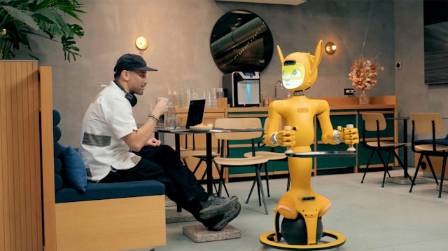
Fundamental Realities of Robotics for Modern Society
While industrial robots frequently trigger feelings of apprehension or even dread, much of this stems from hyperbolic portrayals. Critics and alarmists often suggest a chaotic future dominated by machines, but the reality is far more grounded. Industrial automation is indeed expanding, yet it remains a controlled tool designed for progress rather than a threat to humanity. By examining a few core truths, we can move past common misconceptions and understand the actual role of these machines.
SET · en
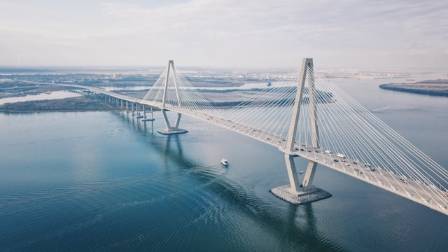
Meet the World's Longest Sea-Crossing Bridge
The world's longest bridge crossing over open water has been completed, creating a direct connection between mainland China and Hong Kong. Stretching approximately 34 miles, or 55 kilometers, the massive project cost around $20 billion and required nine years of construction.