Stage bit
Everything You Need To Know About Carnations
Carnations belong to the genus Dianthus and rank among the world’s most familiar and enduring flowers. People have cultivated these flowers for more than 2,000 years, giving carnations a remarkably long history alongside human culture.
Jude Parker
Mic note
House tip
The full bit continues below under the club spotlight.
Room
Open Mic Desk
Carnations belong to the genus Dianthus and rank among the world’s most familiar and enduring flowers. People have cultivated these flowers for more than 2,000 years, giving carnations a remarkably long history alongside human culture.
Often associated with love, appreciation, and admiration, carnations are frequently chosen for bouquets, floral displays, gardens, and special occasions. Their wide selection of vivid colors and distinctive ruffled petals has helped make them a favorite across generations and cultures. Learning about their origins, symbolism, varieties, and characteristics makes it easier to appreciate why carnations have remained so popular for centuries.
The History of Carnations
The word “carnation” is believed to have originated from the Latin term coronatio, which can be translated as “garland” or “crown.” In ancient Greece and Rome, carnations were reportedly used as part of ceremonial crowns and garlands.
During the Middle Ages, the flower became increasingly prominent in religious artwork and developed an association with the Virgin Mary. This connection contributed to the flower’s symbolism of a mother’s enduring love.
As centuries passed, carnations acquired different meanings in various societies and historical periods. They became particularly important during the Victorian era, when the language of flowers, known as floriography, assigned individual meanings to different flower colors.
Carnations remain culturally significant today. In the United States, they are strongly associated with Mother’s Day, while they are also recognized as national flowers in countries including Spain, Monaco, and Slovenia.
Different Types of Carnations
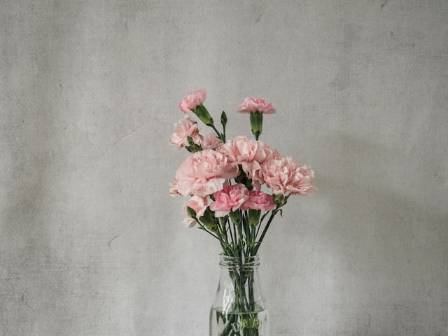
Carnations are available in several major forms. Standard carnations, sometimes called large-flowered carnations, generally produce one prominent, large flower on each stem. They are available in numerous colors and are widely used in both floral arrangements and gardens.
Mini carnations, also known as spray carnations, produce several smaller flowers along a single stem. Because they provide multiple blooms per stem, they are frequently used as filler flowers in arrangements. They also tend to have a long vase life and can be less expensive than standard carnations.
Dwarf carnations are smaller overall, with shorter stems and more compact flowers. Their size makes them particularly suitable for garden borders, bedding displays, and other areas where smaller plants are preferred.
How Long Do Carnations Last?
Fresh carnations generally remain attractive in a vase for around one to two weeks. Their longevity depends on factors such as how fresh they were when cut, the cleanliness of the water, and the temperature of the room. With attentive care, however, their vase life can sometimes be extended.
To help carnations remain fresh, recut the stems diagonally every few days. Replace the vase water approximately every two days and position the flowers away from direct sunlight and sources of heat.
Adding flower food to the water can provide additional support. Remove any leaves that would sit beneath the waterline, as submerged foliage can encourage water quality problems.
It is also best to keep carnations away from ripening fruit. Fruit releases ethylene gas, which can accelerate the aging and wilting of cut flowers.
What Carnations Symbolize
Carnations generally represent love and admiration, although their exact meaning can change according to flower color.
Red carnations traditionally express strong love, affection, and deep emotional attachment. White carnations are commonly connected with innocence, purity, and good fortune.
Yellow carnations can carry less positive meanings and have historically been associated with disappointment or rejection.
Pink carnations are particularly connected with maternal love, appreciation, and gratitude. This symbolism helps explain their strong association with Mother’s Day in both the United States and the United Kingdom.
Carnation Colors
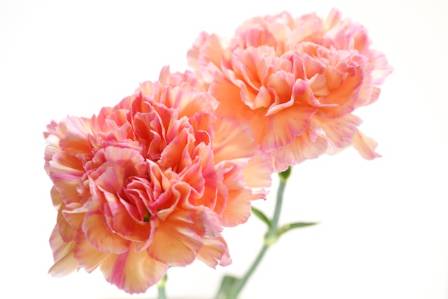
Carnations are available in far more colors than the familiar red, white, yellow, and pink varieties. Depending on the cultivar, they can also appear in orange, purple, and combinations of two different colors.
The Delight carnation, Dianthus caryophyllus, is a striking example. Its petals are primarily white with contrasting red edges, making it an attractive choice for both bouquets and garden displays.
Carnations are also particularly suitable for artificial flower coloring because their stems absorb water efficiently. White carnations are commonly selected for this purpose because their pale petals readily take on added color.
When Do Carnations Flower?
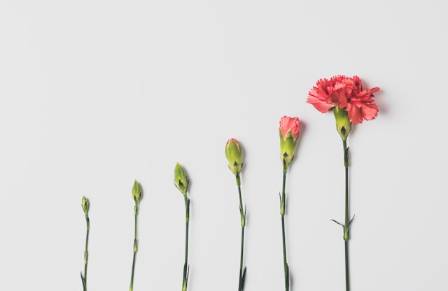
Most carnations produce their main display of flowers from late spring into early summer. However, the exact flowering period depends on the particular variety as well as growing conditions.
Certain cultivars have a longer flowering season. Malmaison carnations, for example, are known for continuing to flower for an extended period and may remain in bloom into the autumn.
Are Carnations Safe for Pets?
Carnations are not considered pet-safe for cats or dogs. If a pet consumes part of a carnation plant or flower, it may experience symptoms such as vomiting, diarrhea, or general stomach discomfort.
If you suspect that your pet has eaten carnations, it is advisable to contact a veterinarian for appropriate guidance.
What Do Carnations Smell Like?
Carnations can have a distinctive fragrance, although the intensity varies considerably between varieties. Some carnations contain eugenol, the same aromatic compound associated with cloves, giving certain flowers a fragrance reminiscent of cloves or nutmeg.
Traditional carnations such as Dianthus caryophyllus can have a particularly noticeable scent. Other fragrant examples include pink carnations such as Dianthus plumarius and Dianthus gratianopolitanus.
During the Victorian period, the characteristic fragrance of carnations was popular in perfume making. Modern florist varieties, however, may have a much weaker fragrance or none at all. Many contemporary hybrids have been bred primarily for attractive colors, flower form, and extended vase life rather than strong scent.
More from this set
SET · en

9 Stylish Ways to Wear a Silk Scarf
A silk scarf is a versatile accessory that can elevate your wardrobe in ways you might not have considered. Beyond the traditional neck drape, there are numerous creative ways to style a silk scarf with its silky finish. Scarves serve as a fabulous canvas for self-expression, adding a touch of luxury to classic pieces in your closet. Here are 9 chic ways to wear a silk scarf:
SET · en

What are Cell Towers and How Do They Work?
Have you ever thought about how your smartphone can maintain a connection while you travel from one place to another? The answer lies in an extensive network of tall structures known as cell towers. These towers are a fundamental part of modern wireless communication, allowing phones and other mobile devices to send and receive signals over large areas.
SET · en

Curiosity Rover Exposes Mountain’s Origin
NASA’s Curiosity rover has been investigating Mars since touching down inside Gale Crater in 2012. During its mission, the rover has uncovered evidence of ancient lake environments, identified organic compounds and provided scientists with a much clearer picture of Mars’s geological history. Yet one major question remains unresolved: how did the enormous mountain at the center of Gale Crater actually form?
SET · en
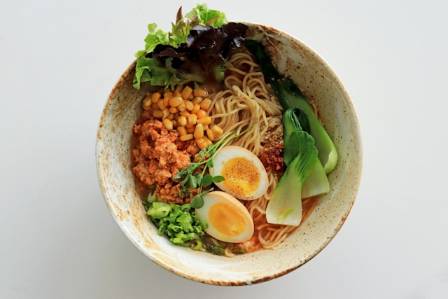
Are Noodles Healthy? A Dietitian’s Take on the Best Choices
Wondering if noodles belong in a nutritious diet? The answer might surprise you: yes, they can! With so many variations available today, nearly all types of noodles can fit into a healthful eating plan—it’s all about the ingredients and how you prepare them.
SET · en

10 Iconic Manhattan Landmarks You Need to See
Manhattan, the bustling core of New York City, is packed with legendary buildings that showcase the city’s cultural, architectural, and historical significance. From soaring skyscrapers to renowned concert halls, these structures are as much symbols of the Big Apple as the Statue of Liberty. Here are ten of the most famous landmarks worth exploring.
SET · en

Polar bears: The largest land carnivores
The polar bear (Ursus maritimus) is the largest bear species and the top land-based predator on Earth. These immense bears roam the Arctic regions, hunting for their main prey, seals, across the icy terrain.