Stage bit
Simple Ocean Drawing Guide: Creating an Easy Pencil Seascape
Mastering the depiction of ocean waves is a rewarding and calming experience for any burgeoning artist. By following a structured approach, you can transform a blank page into a realistic maritime scene using basic graphite techniques. This introductory lesson focuses on the fundamental shapes of water and the play of light on the sea's surface, proving that complex seascapes can be simplified into manageable steps.
Oliver Nathaniel Prescott
Mic note
House tip
The full bit continues below under the club spotlight.
Room
Open Mic Desk
Mastering the depiction of ocean waves is a rewarding and calming experience for any burgeoning artist. By following a structured approach, you can transform a blank page into a realistic maritime scene using basic graphite techniques. This introductory lesson focuses on the fundamental shapes of water and the play of light on the sea's surface, proving that complex seascapes can be simplified into manageable steps.
Essential Art Supplies
To begin your seascape, you will need a soft graphite pencil, such as an 8B, which allows for deep shadows and smooth gradients. For paper, a standard 115 gsm drawing surface measuring approximately 6 x 9 inches is ideal, though any available sketchbook page will suffice. You should also have a white vinyl eraser for highlights and a blending stump to soften your transitions. If you do not have a professional blending tool, a cotton swab, a folded tissue, or even your fingertip can serve as an effective substitute.
Establishing the Composition and Horizon
Start by drawing a rectangular frame around the perimeter of your paper to contain the scene. When drawing these long lines, try to move your entire arm rather than just your wrist to achieve a smoother stroke. Next, establish the primary structure by placing the base of your largest wave near the center of the page. Divide the upper portion of the paper into thirds with horizontal lines. The topmost line serves as your horizon, where the sea meets the sky. Use the second line to map out the crest of your main wave, giving it plenty of fluid, organic movement to mimic the energy of the water.
In the lower section of the drawing, add two more slightly angled, wavy lines. These represent the smaller secondary waves as they approach the shoreline and eventually meet the sand. This layering creates a sense of depth and perspective, leading the viewer's eye from the vast horizon down to the beach.
Shading and Texturing the Water
Begin the shading process by filling in the area between the horizon line and the crest of your primary wave. For now, keep the face of the large wave white to represent foam and spray. Moving below the crest, apply irregular strips of graphite in circular or undulating patterns to simulate moving water. It is vital to leave patches of white paper untouched in this area; these serve as specular highlights where sunlight reflects off the ocean.
As you reach the shoreline, use darker, more solid but irregular lines to define where the water meets the land. For the breaking crests, utilize a technique called "scribble hatching" or scumbling. This loose, textured mark-making effectively communicates the chaotic, frothy appearance of whitecaps. Finally, add a light layer of shading to the bottom-most section of the drawing to represent the wet sand of the beach.
Blending and Finishing Touches
To bring a sense of realism to your sketch, use your blending tool to smooth the dark area just below the horizon line. After blending this section, you can pull a small amount of the leftover graphite upward into the sky. Remember that in a natural landscape, the sky appears lightest at the horizon and grows darker as it moves toward the top of the frame. Soften the middle sections of the waves to ensure a fluid transition between the deep shadows and the bright highlights.
The final step involves using your vinyl eraser to "pull out" light. Dab or swipe the eraser over the tops of waves and the reflective areas of the water to brighten them. This contrast between the deep 8B pencil tones and the clean white of the paper is what gives the ocean its shimmering, lifelike quality. Once the edges are cleaned up and the highlights are set, your seascape is complete.
Ways to Use and Practice Your Artwork
A completed pencil seascape makes for a thoughtful, handmade gift or a beautiful addition to a home gallery when framed. For those looking to improve, consider practicing individual waves at various angles or experimenting with different weather conditions, such as a calm morning or a dramatic storm. You can also vary this tutorial by adding elements like a distant sailboat or applying a light wash of watercolor to the finished pencil sketch for a multi-media effect.
More from this set
SET · en

Remarkable Masterpieces and the Most Valuable Furniture in the World Today
A beautiful home requires suitable furniture to feel complete. While high-quality items represent a significant investment, the world of luxury furnishings occupies an entirely different financial tier. Certain historic and expertly crafted items command extraordinary prices due to their rarity, materials, and historical significance. The following collection highlights some of the most valuable and costly furniture items ever created.
SET · en
Top Duck Paintings for Art Lovers
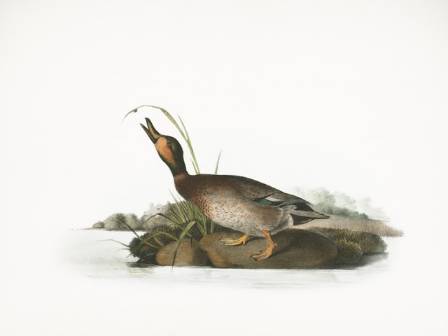
Few subjects capture the playful elegance of nature quite like ducks. Their colorful feathers and lively behavior have long inspired artists, resulting in a rich collection of artworks that can enhance any interior. In this guide to standout duck paintings, we explore an array of styles—from whimsical, cartoon-like interpretations to realistic and peaceful portrayals—ensuring there is something for every taste and decor.
SET · en
Ocean’s Cheerful Guide
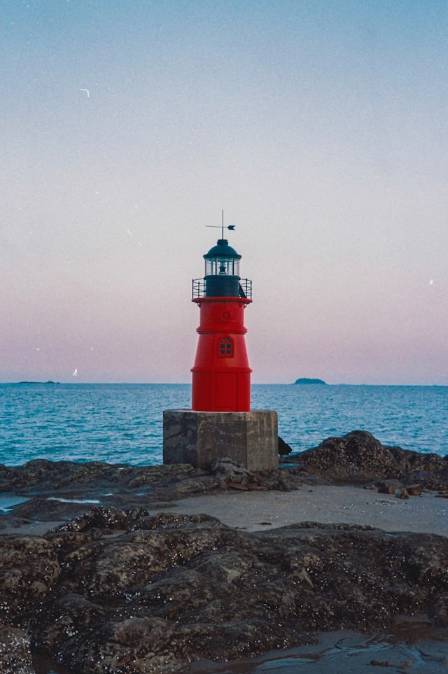
Where crashing waves meet moonlit paths, this lighthouse lights the way home. For centuries, coastal lighthouses have stood like ancient guardians at the edge of the sea—tall, weathered towers rising from cliffs or dunes, their beams sweeping across dark waters with quiet, unyielding purpose. At high tide, when the wind howls and the surf leaps against jagged stone, the lighthouse stands firm. Its rhythmic flash pierces through storm and mist, a signal that even here—at the threshold of land and sea—there is safety, direction, and the promise of return.
SET · en

The Tree-Climbing Relatives of Raccoons
South American coatis are close relatives of raccoons and share many similar traits with them. Like raccoons, they have a recognizable striped tail that helps them maintain balance while moving through trees.
SET · en
Air Dry Clay Project Ideas to Try
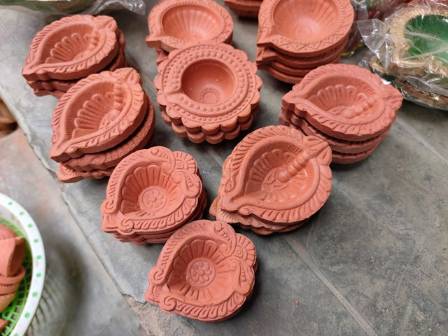
Air dry clay is one of the most adaptable and enjoyable materials for DIY projects! Whether you’re creating gifts, home decor, or something entirely unique, this medium offers endless possibilities.
SET · en

5 Enjoyable Cycling Tours for a Two-Wheel Vacation
Exploring a new destination on a bike lets you fully immerse yourself in the surroundings while getting your heart rate up. These five exciting cycling tours will have you gliding past stunning scenery, soaking up the sunshine, and breathing in fresh air as you discover new places.