Stage bit
How to Draw a Castle
Creating your own castle with towering spires and sturdy walls can be easy and enjoyable. With these three techniques, you’ll quickly master drawing your own fortress!
Tristan Vale
Mic note
House tip
The full bit continues below under the club spotlight.
Room
Open Mic Desk
Creating your own castle with towering spires and sturdy walls can be easy and enjoyable. With these three techniques, you’ll quickly master drawing your own fortress!
How to Draw a Castle: Introduction
Castles are iconic structures in fairy tales, fantasy stories, and historical accounts. They come in a variety of architectural styles, but most share similar features: tall towers, strong walls, narrow windows, gates, peaked roofs, and flags atop them.
In this tutorial, you’ll learn to draw a castle in a simple way that’s perfect for beginners or children. The castle you create can become a charming illustration for fantasy stories, historical tales, or legendary adventures, from the world of Harry Potter to King Arthur.
Castle Drawing Tutorial
Materials Needed
Pencil
Paper
Eraser
Coloring tools (crayons, markers, or paints)
Ruler (optional)
Estimated Time: 30 minutes
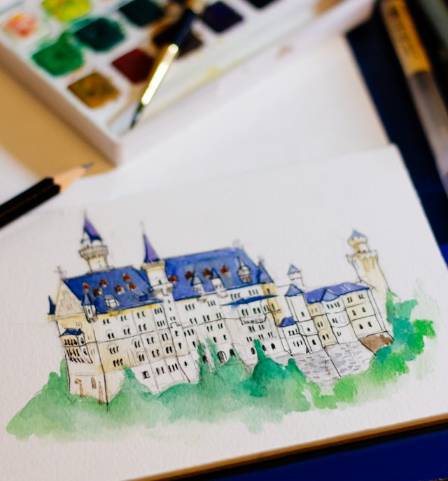
Step 1 – Sketch the Castle Base
Start by outlining the foundation of your castle. Castles are large, so draw a wide base in a slightly trapezoid shape. Mark the bottom edge of the wall and use vertical lines to indicate the sides of the structure.
Step 2 – Add the Battlements
Draw the classic notches along the top edges of the walls, known as battlements. Keep the lines straight and even so your castle looks strong and authentic. Use guidelines to ensure the battlements are uniform in height.
Step 3 – Draw the Central Tower
From the center of the wall, sketch vertical and horizontal lines to form the main tower. You can adjust the height and width of your tower to suit your design—there’s no strict rule.
Step 4 – Add Side Towers
Behind the central tower, draw additional towers. Make them slightly narrower to create depth. Feel free to choose the number, shape, and height of these secondary towers. A ruler can help keep lines straight.
Step 5 – Draw Tower Roofs
Add triangular roofs to each tower. You can experiment with shapes: tall pointed roofs for a fairy-tale look, short flat roofs for a medieval fortress, or even domes for a unique style.
Step 6 – Add Windows
Draw rectangular or arched windows along the towers and walls. For realism, you can add arrow slits for a fortress feel or large ornate windows for a palace appearance. Adding small crossbars will give extra detail.
Step 7 – Draw the Main Gate and Flags
Sketch a large arched entrance in the central tower and place small flags atop each roof. Arched gates provide structural strength, but you can also draw a rectangular wooden gate or a drawbridge for variation.
Step 8 – Check Symmetry and Proportions
Erase unnecessary construction lines and ensure your castle looks balanced. You can add extra details like brick patterns, stones along the walls, or a surrounding wall for more depth.
Step 9 – Add Colors and Shading
Use gray or blue-gray for the walls, brown for the wooden door, and red for the flags. Fantasy castles can be more colorful: golden roofs, pastel walls, or rainbow banners. Dark shades give a medieval feel, while lighter tones create a fairy-tale appearance.
Additional Resources
You can download a free PDF version of this castle tutorial. It’s convenient for printing and offline practice, allowing you to follow the lesson without needing internet access.
How to Draw a Castle: Alternative Techniques
You can also try different methods to draw a castle, using the same basic concepts but with simpler or slightly altered steps. These alternatives help you practice variations and adapt the castle to your style.
Easy Castle Drawing
This version simplifies the structure. Start with a wide rectangular base, add battlements using short alternating lines, and draw a narrow central tower. Include a tall arched doorway, smaller windows, and a flag on the central roof. Use consistent lines and colors for a clean, simple look.
Minimal Detail Castle
For a very simplified castle, sketch a U-shaped base with two square side towers. Place a taller central tower in the middle and add a triangular roof. Add battlements along the walls, small arched windows, and a central arched doorway. Shade the walls in one tone and make windows slightly lighter. This method is perfect for very young artists or quick sketches.
Conclusion
With these step-by-step guides, you can draw a complete castle that is simple yet recognizable. Practicing castle drawing helps improve your understanding of architecture, proportion, and symmetry.
Once you’re comfortable, try related tutorials, such as drawing a house for simpler practice, adding knights to your scene, or creating dragons and other fantasy elements to bring your castle to life.
More from this set
SET · en
A Memory of Giant Sunflowers
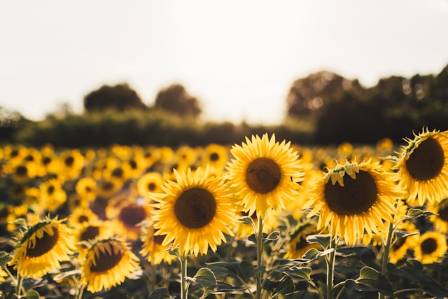
His name was Bob Davis, and he was famous for growing sunflowers that could reach around 15 feet tall. I once dated his niece, Edie May, and even though nearly fifty years have passed, I still remember both her and those enormous flowers fondly.
SET · en

How to Choose the Right Minibus Size for Your Group
Planning a group trip—whether it’s a family outing, school excursion, corporate event, or airport transfer—requires careful consideration of transportation, and choosing the right minibus size is a crucial step. The perfect minibus ensures everyone travels comfortably, has ample space for luggage, and stays safe throughout the journey. This guide simplifies the selection process by breaking down minibus sizes, their ideal uses, key features, and essential factors to consider, making it easy for you to find the best fit for your group, even if you’re specifically looking for a 16-seater minibus hire or exploring other size options.
SET · en

The Tree-Climbing Relatives of Raccoons
South American coatis are close relatives of raccoons and share many similar traits with them. Like raccoons, they have a recognizable striped tail that helps them maintain balance while moving through trees.
SET · en

Trike Designs Are Trending: How Automotive Innovation Is Revolutionizing Personal Transportation
Motorcycles have long symbolized freedom and adventure on the open road, but the trike is emerging as a transformative trend that merges the thrill of motorcycle riding with the stability and comfort of traditional vehicles. Featuring a three-wheel design, trikes deliver the excitement and open-air experience of a bike while offering superior stability and safety. Available in two distinct configurations—traditional and reverse—they cater to a diverse range of riders, boasting unique advantages in comfort, handling, and storage. Whether you prefer the classic motorcycle feel of a traditional trike or the enhanced stability of a modern design, these vehicles are redefining the road experience by blending practicality with enjoyment.
SET · en
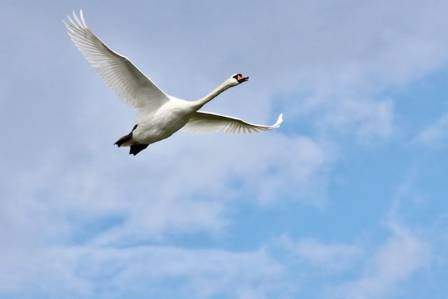
Mute Swan (Cygnus olor): A Comprehensive Fact File
The mute swan (Cygnus olor) is one of the most iconic and recognizable waterfowl, celebrated for its elegant white plumage, long curved neck, and gentle demeanor. Native to Europe and Asia, it has been introduced to continents worldwide, adapting to both natural wetlands and human-altered environments. Beyond its aesthetic appeal, this species boasts unique biological traits, from being one of the heaviest flying birds to its complex breeding behaviors. Below is a detailed overview of the mute swan’s key characteristics, lifestyle, and place in the natural world.
SET · en

The 7 Most Stunning Buses Around the World
Exploring the Most Beautiful Buses Ever Built Buses aren't just about transportation—they can be marvels of design and innovation. Some buses stand out for their exceptional aesthetics, blending functionality with artistic style. From futuristic designs to vintage masterpieces, here’s a list of the seven most visually striking buses from around the globe.